Knowledge Sharing

Age-Friendly Product Delivery Inspection: What to Check Before First Use
Before using a newly delivered age-friendly product, compare it with the approved order, inspect its visible condition, confirm that required components and instructions are present, and...
Oct 17 2026

Age-Friendly Product Costs: How to Compare Total Cost of Ownership
The total cost of ownership of an age-friendly product includes more than its purchase price. Depending on the product, buyers may also need to budget for...
Oct 17 2026

Age-Friendly Product Maintenance: Cleaning, Inspection, and Replacement
Maintenance for age-friendly products should follow the instructions for the exact model and its intended setting. A practical plan identifies who cleans the product, which checks...
Oct 17 2026

How to Read Test Reports for Age-Friendly Products
To read a test report for an age-friendly product, check what sample was tested, which method was used, under what conditions, and what the results actually...
Oct 17 2026
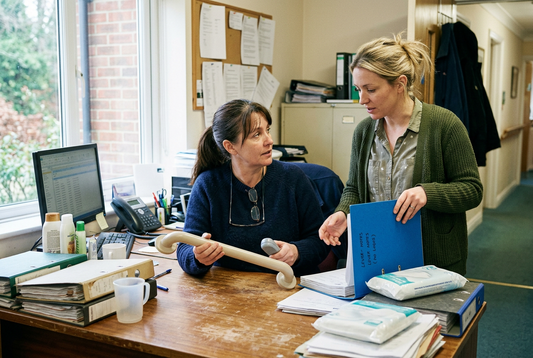
How Care Homes Can Evaluate Age-Friendly Product Suppliers
Care homes can evaluate age-friendly product suppliers by comparing the exact products offered, the evidence supporting their claims, and the support available after delivery. A useful...
Oct 17 2026
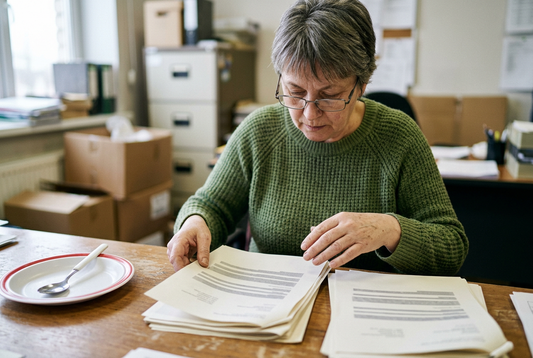
Age-Friendly Product Certification: How to Verify Supplier Claims
To evaluate an age-friendly product certification claim, identify the assessment scheme, the issuing organization, the covered product models, and the document’s scope. Then verify the information...
Oct 17 2026
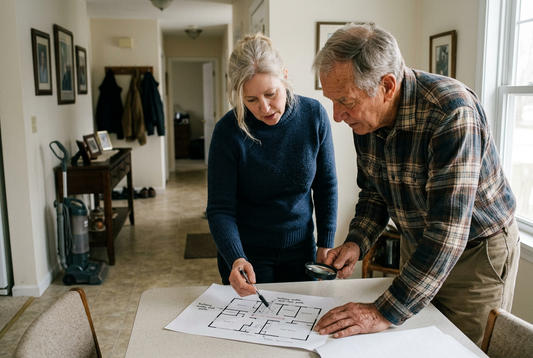
Aging in Place: Which Home Adaptations Should Come First?
The best starting point for aging-in-place home adaptations is the daily task that has become difficult, not the newest product on the market. Observe how the...
Oct 17 2026
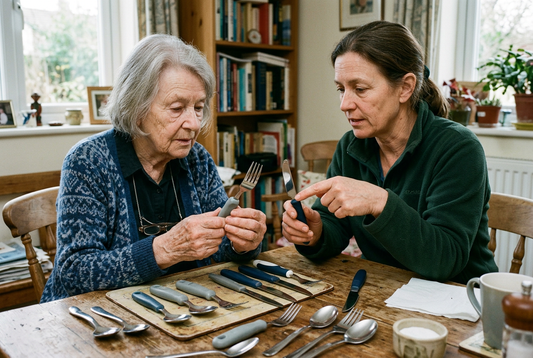
What Are Age-Friendly Products? A Practical Buying Guide
Age-friendly products are products designed or adapted to make everyday tasks easier for older adults. A useful product should match the individual’s abilities, the environment in...
Oct 17 2026