Wissensaustausch
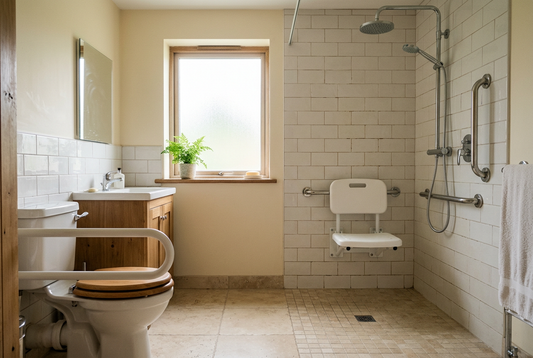
Age-Friendly Bathroom Products: Selection and Installation Guide
Age-friendly bathroom products should be selected around the user’s needs, the bathroom layout, and the manufacturer’s installation instructions. A shower seat, grab bar, or toileting aid...
Oct 17 2026

Aging in Place: Which Home Adaptations Should Come First?
The best starting point for aging-in-place home adaptations is the daily task that has become difficult, not the newest product on the market. Observe how the...
Oct 17 2026
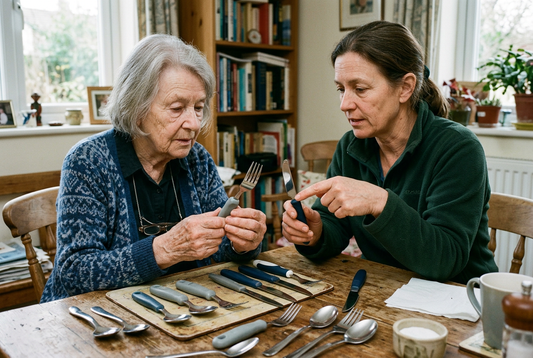
What Are Age-Friendly Products? A Practical Buying Guide
Age-friendly products are products designed or adapted to make everyday tasks easier for older adults. A useful product should match the individual’s abilities, the environment in...
Oct 17 2026

Age-Friendly Product Buying Checklist: From User Needs to Certification Checks
A useful age-friendly product buying checklist starts with the person and ends with a workable maintenance plan. Identify the task that needs support, compare the exact...
Oct 15 2026

How to Organize Age-Friendly Product Certification and Purchasing Records
A useful age-friendly product evidence file connects an identifiable product to its supplier documents, verification results, purchasing decision, and ongoing support information. Organize records by exact...
Oct 14 2026

How to Plan an Age-Friendly Product Trial Before Buying in Bulk
An age-friendly product trial should answer a defined purchasing question before a larger order is placed. Select relevant tasks, confirm that participation is appropriate, record observations...
Oct 14 2026
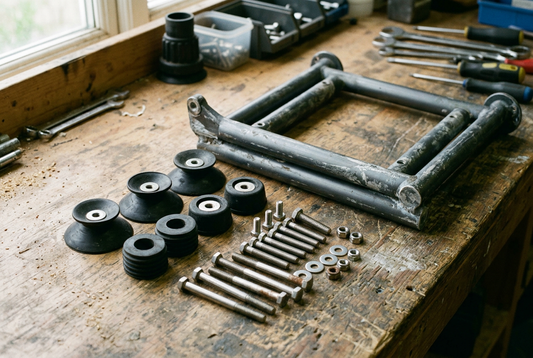
Age-Friendly Product Changes: Rechecking Certification and Compatibility
When an age-friendly product changes, recheck the exact model, approved components, instructions, and supporting evidence before relying on the original purchasing assessment. A replacement part or...
Oct 13 2026

Age-Friendly Bedroom Products: Planning for Everyday Access and Comfort
Age-friendly bedroom products should support the resident’s actual routine while fitting the room and existing equipment. Start with access to lighting, everyday belongings, and clear routes,...
Oct 13 2026
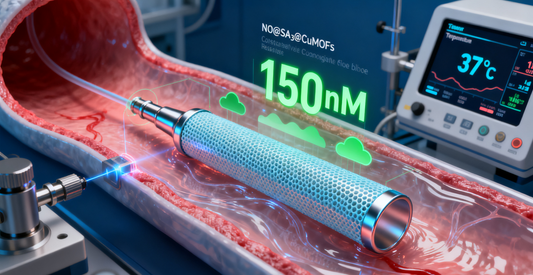
Verlängerte Stickoxidfreisetzung mit stearinsäuremodifizierten CuMOFs: Ein Durchbruch für kardiovaskuläre Implantate
Einleitung: Warum Stickstoffmonoxid wichtig ist Stickstoffmonoxid (NO) ist ein starkes Signalmolekül im menschlichen Körper. Es reguliert den Gefäßtonus, verhindert die Blutgerinnung, fördert die Wundheilung und bekämpft...
Sep 24 2025

Jüngste Fortschritte in der Atherosklerosetherapie: Von wichtigen molekularen Zielen bis hin zu Plaque-positionierten Verabreichungsstrategien
Atherosklerose (AS) ist weltweit eine der häufigsten Ursachen für Herz-Kreislauf-Erkrankungen. Sie ist durch Fettablagerungen, chronische Entzündungen und fibrotische Reaktionen gekennzeichnet, die letztlich zur Plaquebildung und Arterienverengung...
Sep 24 2025

Multifunktionale intelligente Hydrogelbeschichtung: Eine neue Strategie für antibakteriellen, gerinnungshemmenden und entzündungshemmenden Schutz in blutkontaktierenden Geräten
Medizinische Geräte, die mit Blut in Kontakt kommen – wie zentrale Venenkatheter, künstliche Herzen und Blutfiltergeräte – haben unzählige Leben gerettet. Sie bergen jedoch auch ein...
Sep 24 2025

Bioinspirierte zwitterionische Beschichtung: Ein Durchbruch für entzündungshemmende und antithrombotische Katheter
Blutkontaktkatheter – wie sie in der Hämodialyse, der extrakorporalen Zirkulation und lebenserhaltenden Systemen verwendet werden – sind aus der modernen klinischen Praxis nicht mehr wegzudenken. Sie...
Sep 24 2025