Knowledge Sharing

Age-Friendly Product Labels and Instructions: What Buyers Should Check
When buying an age-friendly product, check that its labels and instructions identify the exact model, explain intended use, describe setup and maintenance, and communicate relevant limitations...
Oct 17 2026

Age-Friendly Product Costs: How to Compare Total Cost of Ownership
The total cost of ownership of an age-friendly product includes more than its purchase price. Depending on the product, buyers may also need to budget for...
Oct 17 2026

Age-Friendly Kitchen and Dining Aids: A Practical Buying Guide
Age-friendly kitchen and dining aids should address a specific everyday difficulty, such as opening packaging, holding a utensil, or reading an appliance control. Compare products by...
Oct 17 2026

Smart Home Products for Older Adults: A Practical Buying Guide
Smart home products for older adults should solve a specific daily problem without adding unnecessary complexity. Before buying, check whether the person can operate the product,...
Oct 17 2026

Age-Friendly Product Maintenance: Cleaning, Inspection, and Replacement
Maintenance for age-friendly products should follow the instructions for the exact model and its intended setting. A practical plan identifies who cleans the product, which checks...
Oct 17 2026
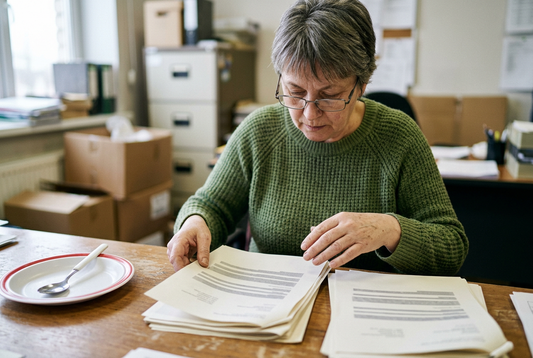
Age-Friendly Product Certification: How to Verify Supplier Claims
To evaluate an age-friendly product certification claim, identify the assessment scheme, the issuing organization, the covered product models, and the document’s scope. Then verify the information...
Oct 17 2026
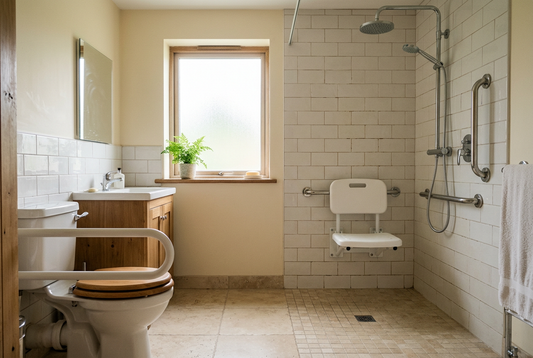
Age-Friendly Bathroom Products: Selection and Installation Guide
Age-friendly bathroom products should be selected around the user’s needs, the bathroom layout, and the manufacturer’s installation instructions. A shower seat, grab bar, or toileting aid...
Oct 17 2026
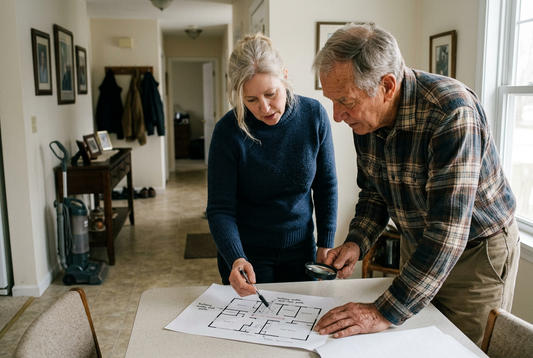
Aging in Place: Which Home Adaptations Should Come First?
The best starting point for aging-in-place home adaptations is the daily task that has become difficult, not the newest product on the market. Observe how the...
Oct 17 2026
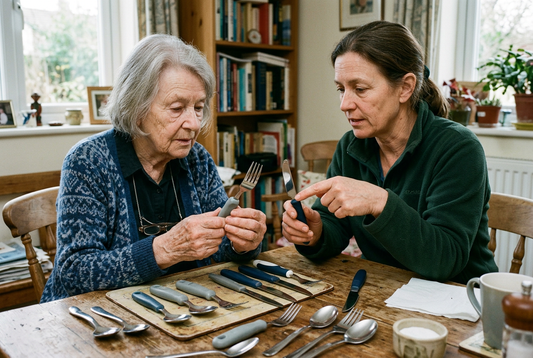
What Are Age-Friendly Products? A Practical Buying Guide
Age-friendly products are products designed or adapted to make everyday tasks easier for older adults. A useful product should match the individual’s abilities, the environment in...
Oct 17 2026
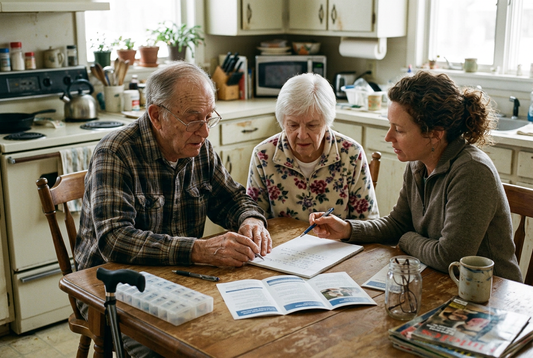
Age-Friendly Product Buying Checklist: From User Needs to Certification Checks
A useful age-friendly product buying checklist starts with the person and ends with a workable maintenance plan. Identify the task that needs support, compare the exact...
Oct 15 2026
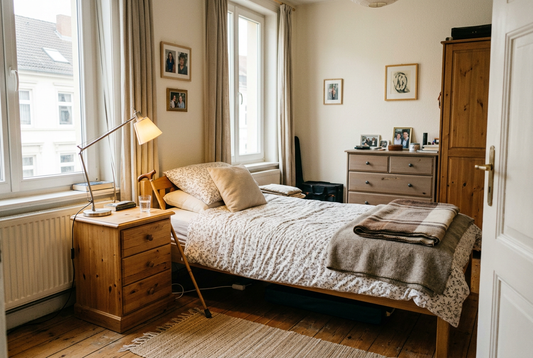
Age-Friendly Bedroom Products: Planning for Everyday Access and Comfort
Age-friendly bedroom products should support the resident’s actual routine while fitting the room and existing equipment. Start with access to lighting, everyday belongings, and clear routes,...
Oct 13 2026