Intercambio de conocimientos

Age-Friendly Product Labels and Instructions: What Buyers Should Check
When buying an age-friendly product, check that its labels and instructions identify the exact model, explain intended use, describe setup and maintenance, and communicate relevant limitations...
Oct 17 2026

Certification, Testing, and Accreditation: Differences for Age-Friendly Product Buyers
Certification, testing, and accreditation answer different questions. Testing examines specified characteristics under stated conditions. Product certification provides an assessment outcome under a named certification scheme. Accreditation...
Oct 17 2026
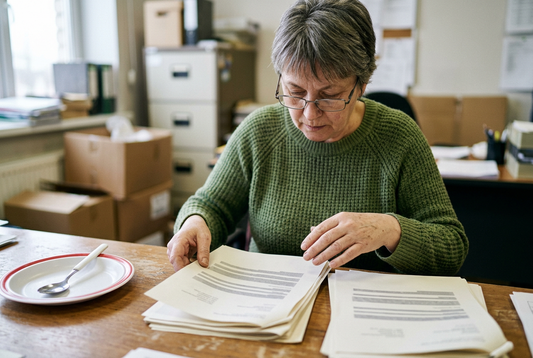
Age-Friendly Product Certification: How to Verify Supplier Claims
To evaluate an age-friendly product certification claim, identify the assessment scheme, the issuing organization, the covered product models, and the document’s scope. Then verify the information...
Oct 17 2026
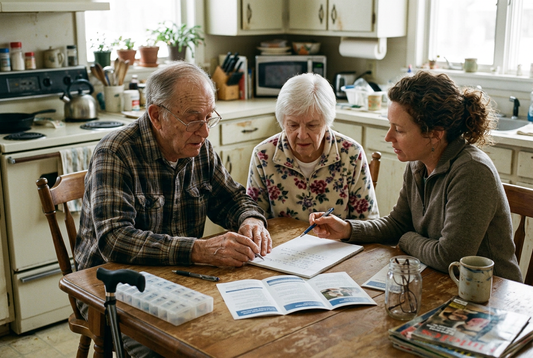
Age-Friendly Product Buying Checklist: From User Needs to Certification Checks
A useful age-friendly product buying checklist starts with the person and ends with a workable maintenance plan. Identify the task that needs support, compare the exact...
Oct 15 2026
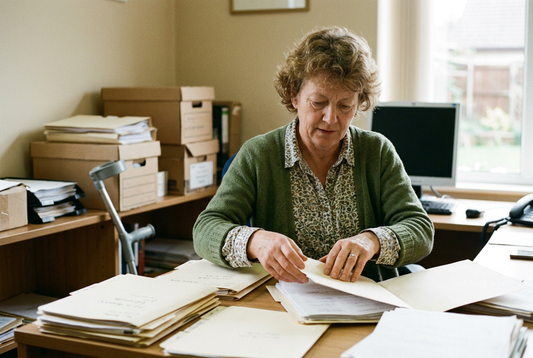
How to Organize Age-Friendly Product Certification and Purchasing Records
A useful age-friendly product evidence file connects an identifiable product to its supplier documents, verification results, purchasing decision, and ongoing support information. Organize records by exact...
Oct 14 2026
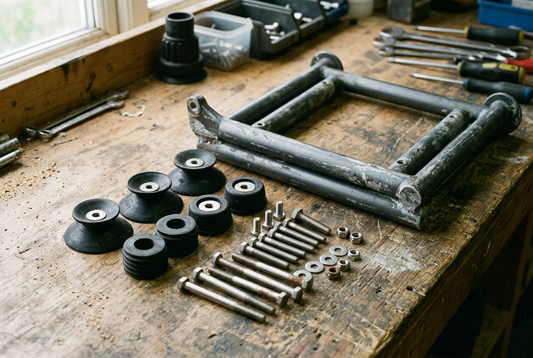
Age-Friendly Product Changes: Rechecking Certification and Compatibility
When an age-friendly product changes, recheck the exact model, approved components, instructions, and supporting evidence before relying on the original purchasing assessment. A replacement part or...
Oct 13 2026