Knowledge Sharing

Age-Friendly Product Delivery Inspection: What to Check Before First Use
Before using a newly delivered age-friendly product, compare it with the approved order, inspect its visible condition, confirm that required components and instructions are present, and...
Oct 17 2026

Age-Friendly Product Labels and Instructions: What Buyers Should Check
When buying an age-friendly product, check that its labels and instructions identify the exact model, explain intended use, describe setup and maintenance, and communicate relevant limitations...
Oct 17 2026

Age-Friendly Product Costs: How to Compare Total Cost of Ownership
The total cost of ownership of an age-friendly product includes more than its purchase price. Depending on the product, buyers may also need to budget for...
Oct 17 2026

Age-Friendly Kitchen and Dining Aids: A Practical Buying Guide
Age-friendly kitchen and dining aids should address a specific everyday difficulty, such as opening packaging, holding a utensil, or reading an appliance control. Compare products by...
Oct 17 2026

Smart Home Products for Older Adults: A Practical Buying Guide
Smart home products for older adults should solve a specific daily problem without adding unnecessary complexity. Before buying, check whether the person can operate the product,...
Oct 17 2026

Certification, Testing, and Accreditation: Differences for Age-Friendly Product Buyers
Certification, testing, and accreditation answer different questions. Testing examines specified characteristics under stated conditions. Product certification provides an assessment outcome under a named certification scheme. Accreditation...
Oct 17 2026

Age-Friendly Product Maintenance: Cleaning, Inspection, and Replacement
Maintenance for age-friendly products should follow the instructions for the exact model and its intended setting. A practical plan identifies who cleans the product, which checks...
Oct 17 2026
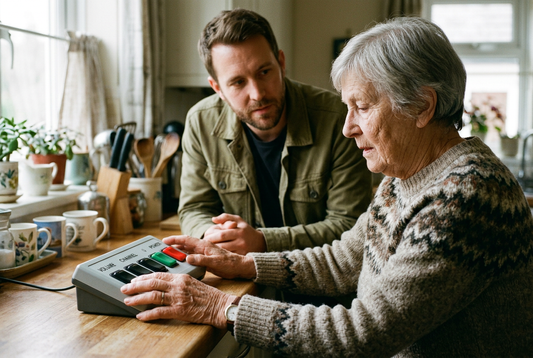
Age-Friendly Product Usability: How to Evaluate Everyday Ease of Use
Age-friendly product usability is about whether an intended user can understand and manage a product during a real task. Evaluate the controls, instructions, physical handling, feedback,...
Oct 17 2026

How to Read Test Reports for Age-Friendly Products
To read a test report for an age-friendly product, check what sample was tested, which method was used, under what conditions, and what the results actually...
Oct 17 2026
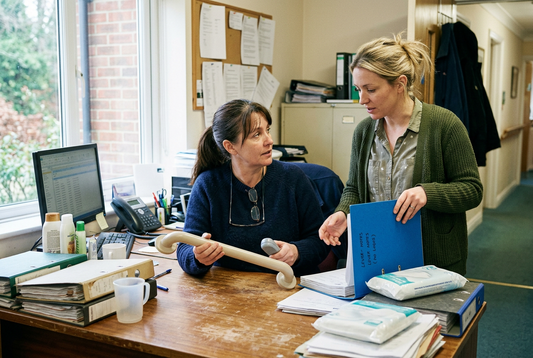
How Care Homes Can Evaluate Age-Friendly Product Suppliers
Care homes can evaluate age-friendly product suppliers by comparing the exact products offered, the evidence supporting their claims, and the support available after delivery. A useful...
Oct 17 2026
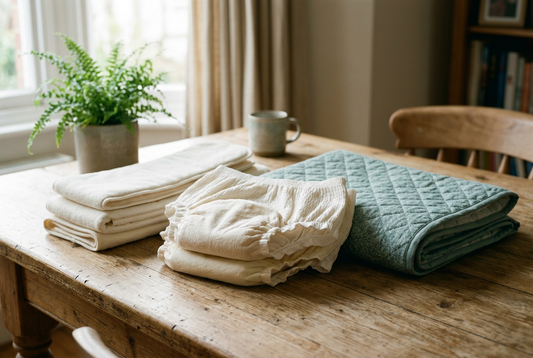
Incontinence Products for Older Adults: A Practical Selection Guide
Choosing incontinence products for an older adult starts with fit, the type of protection needed, and how the product will be changed. Compare absorbent pads, protective...
Oct 17 2026
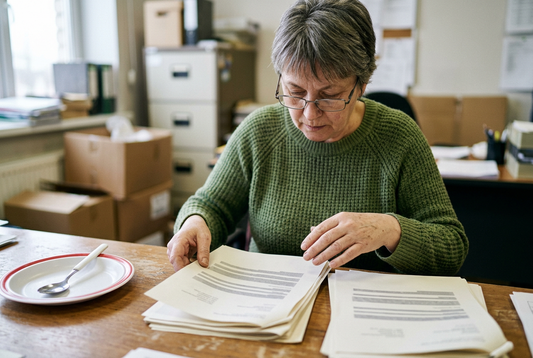
Age-Friendly Product Certification: How to Verify Supplier Claims
To evaluate an age-friendly product certification claim, identify the assessment scheme, the issuing organization, the covered product models, and the document’s scope. Then verify the information...
Oct 17 2026